What Is Section 179?
Section 179 of the U.S. tax code allows businesses to deduct the full purchase price of qualifying equipment and vehicles in the year they’re placed in service — instead of depreciating them over several years. For business owners who need a truck or large SUV, it’s one of the most powerful tax tools available.
The key phrase is “placed in service.” The vehicle must be purchased and actually used for business before December 31 of the tax year you’re claiming it. You can’t buy it in December and leave it in the driveway — it has to be put to work.
2025–2026 Section 179 Limits
Congress adjusts Section 179 limits for inflation each year. Here are the current figures:
| Parameter | 2025 Amount | 2026 Amount |
|---|---|---|
| Maximum Deduction | $1,160,000 | $1,220,000 (est.) |
| Phase-Out Threshold | $2,890,000 | $3,050,000 (est.) |
| SUV Deduction Cap (vehicles over 6,000 lbs GVWR, under 14,000 lbs) | $30,500 | $30,500 (est.) |
| Bonus Depreciation (100% on new vehicles) | 40% (phasing down) | 20% (phasing down) |
Which Chevys Qualify?
The IRS rule is straightforward: the vehicle must have a Gross Vehicle Weight Rating (GVWR) over 6,000 lbs to qualify. GVWR is the maximum loaded weight the vehicle is rated for — not curb weight. You can find it on the driver-side door jamb sticker.
- Silverado 1500 (all engines, all configs)
- Silverado 2500HD / 3500HD
- Tahoe (all trims)
- Suburban (all trims)
- Colorado (most configs — verify GVWR)
- Express 1500 / 2500 Van
- Blazer EV (verify GVWR — borderline)
- Equinox (GVWR ~4,400–4,700 lbs)
- Trax (GVWR ~3,600 lbs)
- Malibu (discontinued — GVWR ~3,600 lbs)
- Blazer (gas/non-EV — verify, varies by trim)
- Trailblazer (GVWR ~3,900 lbs)
- Bolt EV / EUV (GVWR ~3,900 lbs)
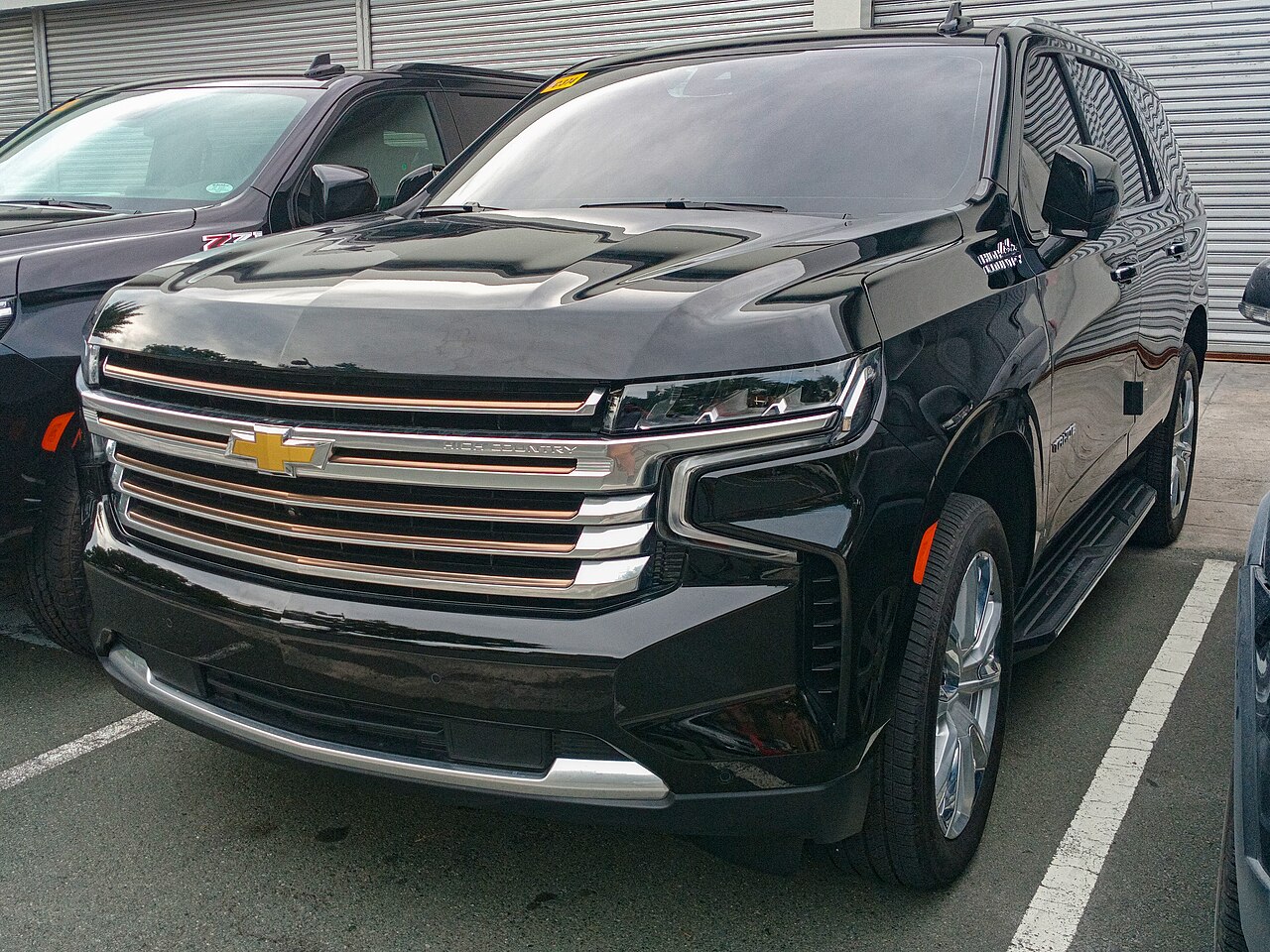
GVWR by Model
| Model | GVWR Range | Qualifies? | Notes |
|---|---|---|---|
| Silverado 1500 | 6,800–7,200 lbs | YES | All trims qualify; heavier configs get higher GVWR |
| Silverado 2500HD | 9,900–10,000 lbs | YES | Qualifies for full deduction (not SUV cap) |
| Silverado 3500HD | 14,000 lbs | YES | Above SUV cap entirely — full 179 eligible |
| Tahoe | 7,100–7,300 lbs | YES (capped) | Subject to $30,500 SUV cap |
| Suburban | 7,200–7,500 lbs | YES (capped) | Subject to $30,500 SUV cap |
| Colorado | 4,750–6,000+ lbs | VERIFY | Some configs clear 6,000 lbs; check door jamb sticker |
| Equinox | 4,400–4,700 lbs | NO | Under 6,000 lbs GVWR — does not qualify |
| Trax | ~3,600 lbs | NO | Under 6,000 lbs GVWR — does not qualify |
The Business Use Requirement
This is where people get into trouble. Section 179 requires the vehicle to be used more than 50% for business purposes in the year it’s placed in service. If business use drops below 50% in a subsequent year, you may have to recapture part of the deduction as income.
The IRS doesn’t just take your word for it. Here’s what you need to document:
- Mileage log: Record date, destination, business purpose, and odometer reading for every business trip
- Business purpose: “Met with client” or “delivered supplies to job site” — vague entries won’t hold up in an audit
- Personal vs. business split: Commuting to a fixed workplace does NOT count as business use
- Adequate records: The IRS requires contemporaneous records — logging miles retroactively from memory is not sufficient
How to Claim the Deduction
- Purchase and place the vehicle in service before December 31 of the tax year. It must be used for business at least once before year-end.
- Determine your GVWR from the driver-side door jamb sticker. Confirm it exceeds 6,000 lbs.
- Calculate your business use percentage from your mileage log. Must exceed 50%.
- Complete IRS Form 4562 (Depreciation and Amortization). Your CPA will handle this, but it’s the form where Section 179 elections are made.
- Apply the deduction to your business income. Section 179 cannot create a net operating loss — if the deduction exceeds your business income, the remainder carries forward to future years.
- Maintain records for at least 3–5 years after filing. The IRS can audit back three years under normal circumstances.
What Does This Actually Save?
Assuming a 30% effective tax rate (federal + state), here’s a rough look at potential savings on a qualifying vehicle purchase:
| Vehicle | Purchase Price | Max 179 Deduction | Tax Savings (30% rate) |
|---|---|---|---|
| Silverado 1500 LTZ (100% business) | $58,000 | $58,000 (full) | ~$17,400 |
| Tahoe Premier (100% business) | $67,000 | $30,500 (SUV cap) | ~$9,150 |
| Silverado 2500HD (100% business) | $72,000 | $72,000 (full) | ~$21,600 |
| Silverado 1500 (60% business use) | $58,000 | $34,800 (60% of price) | ~$10,440 |